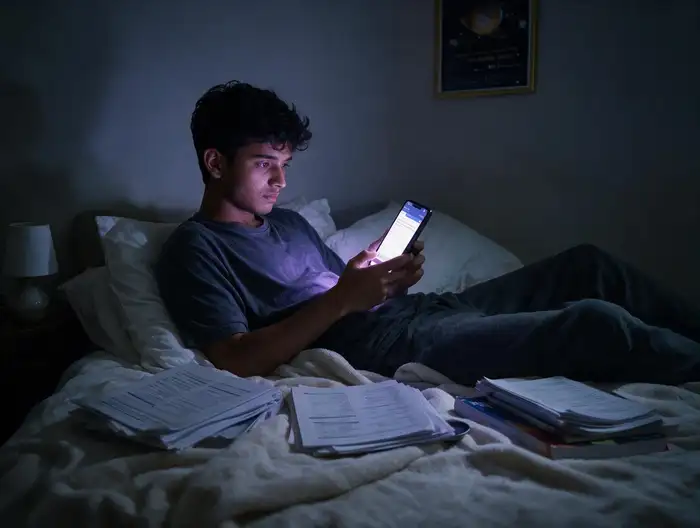
The switch
Reading a question on screen without losing your place
Screen reading is slower than paper, and the gap is trainable. Three habits that close it.
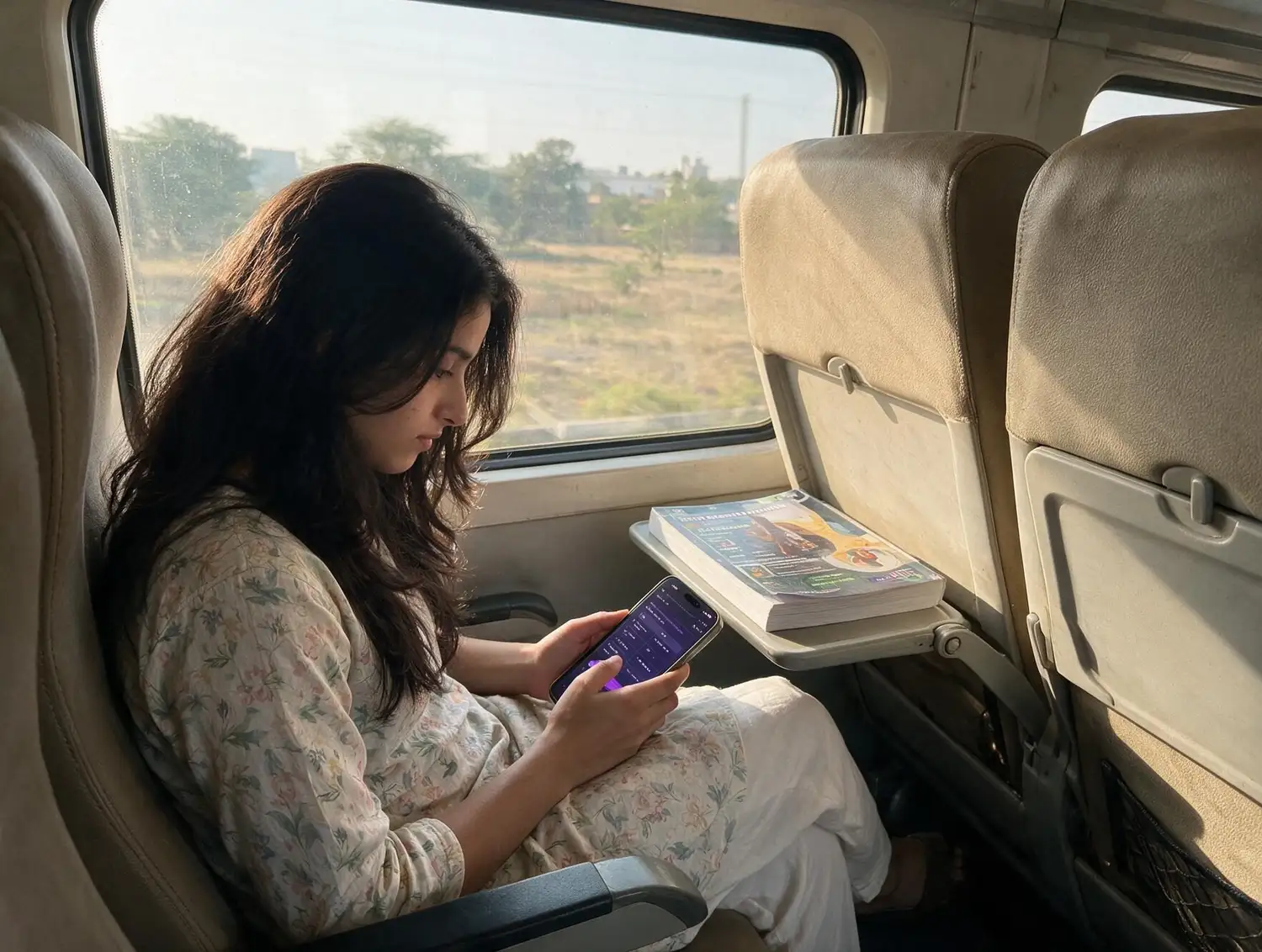
You have read on paper for two years. Underlining the given values, circling what is asked, working in the margin beside the question. On a screen you can do none of it, and the first time that matters should not be in the hall.
Why it is slower
- You cannot mark the text, so nothing on screen holds your place.
- Your rough work is beside the screen, so your eyes travel further and refocus on every calculation.
- A page has a physical position you remember. A screen does not.
Read the last line first
Long questions bury what is asked at the end. Read that first and the rest becomes a search for specific values rather than a general read. This one habit is worth more than any other on this page.
Move the given values to paper immediately
Write the numbers on your rough sheet as you meet them, before you start solving. Then you look back at the screen once instead of six times, and each look costs a refocus.
Decide once, then move
On paper you can leave a half-solved question sitting in front of you. On a screen it disappears the moment you navigate away, so an undecided question costs the whole read again when you return. Either finish it, or mark it and leave it cleanly.
The only way to build this
On the screen itself. These are motor habits, not knowledge, and reading about them does about as much good as reading about swimming.